
“Elegance is not about being noticed, it’s about being remembered,” said Giorgio Armani, underscoring how the right outfit leaves a lasting impression. In today’s workplaces, thoughtfully blending traditional pieces with contemporary professional attire helps you look polished and feel authentic.
Ethnic wear is increasingly common in American offices, and a well-chosen Kurti–Pant–Dupatta set can become a reliable part of your work wardrobe. Selecting the right ethnic suits for the office — balancing fabric, fit, and subtle design — makes daily dressing easier and keeps your look professional.
A thoughtful kurta or kurti set, paired with tailored pants and a complementary dupatta, lets you honor tradition while maintaining a modern, professional silhouette. This guide walks you through fabrics, silhouettes, and styling so you can build a versatile collection of office-appropriate sets that work for meetings, client days, and everyday wear.
Key Takeaways
- Ethnic wear can be professional when you choose the right fabric and fit.
- Focus on breathable fabrics and clean silhouettes for all-day comfort.
- Neutral and muted palettes make kurta sets office-friendly.
- Mix-and-match pieces extend your wardrobe and simplify dressing.
- Read on to create a practical, stylish collection of kurta, pant, and dupatta sets.
The Rising Popularity of Ethnic Wear in American Workplaces
As American workplaces evolve, ethnic wear is becoming a familiar and accepted choice for many professionals. Retail data and fashion outlets report growing interest in kurta sets and coordinated kurti–pant–dupatta combinations, as employees blend cultural identity with contemporary office style. This trend supports a more inclusive workplace where diverse clothing choices are welcomed.
Cultural Fusion in Modern Professional Attire
Global mobility and multicultural teams have made cultural fusion part of everyday professional dressing. Kurta sets and kurta set women’s collections are showing up in business-casual offices and on cultural-celebration days alike, allowing women to express heritage while staying polished. That mix of tradition and modern tailoring helps coworkers appreciate different backgrounds and personal style.
The benefits of this cultural fusion include:
- Increased cultural awareness and appreciation among colleagues
- A more diverse and vibrant workplace culture
- Greater comfort and confidence for women who prefer ethnic outfits
Benefits of Choosing Kurti Sets for Work
Kurti sets are an excellent option for working women because they balance comfort and professionalism. Many kurta sets women choose feature breathable fabrics and clean silhouettes that translate well from desk to meeting.
Key advantages of kurta sets for work:
- Comfort: Kurti and kurta sets allow ease of movement for long workdays.
- Versatility: Mix-and-match separates turn a single kurta into multiple sets women can wear across occasions.
- Cultural expression: Thoughtful styling lets you honor tradition while keeping a modern office-appropriate look.
In short, adding a few well-chosen kurta sets to your work wardrobe can increase daily comfort and expand styling options without sacrificing professional polish. (Anecdote: several companies now encourage cultural attire on designated days—use these opportunities to test styles and build your collection.)
Essential Elements of Office Wear Kurti Pant Dupatta Sets
When upgrading your office wardrobe, focus on the elements that make a Kurti–Pant–Dupatta set truly professional: fabric, fit, color, and restrained design. A carefully chosen kurta set can elevate your daily work look while remaining comfortable and appropriate for meetings and client-facing days.
Defining Characteristics of Professional Kurti Sets
Professional kurta sets favor modest, clean lines and breathable fabrics that keep you comfortable during long workdays. Choose lightweight cotton or linen blends for breathability, or a cotton–polyester blend for easy care and wrinkle resistance. Aim for minimal embellishment and tailored seams so your kurta reads polished rather than ornate.
Balancing Tradition with Workplace Appropriateness
To adapt traditional kurta and dupatta combinations for the office, prioritize subdued colors and small-scale patterns. Muted earth tones, soft pastels, and classic neutrals pair well with tailored pants and give the outfit a contemporary, professional feel. Avoid heavy sequins or very large, loud prints that can read as casual or festive.
Versatility for Both Office and Casual Settings
A single kurta can form the basis of multiple sets: swap pants (cigarette, straight, or palazzo) and change the dupatta or accessories to shift from formal to casual. For office-appropriate versatility, keep one neutral kurta, one statement kurta, and two types of pants to mix-and-match across occasions.
- Quick styling tip: For meetings, drape the dupatta over one shoulder and secure with a small pin; for casual Fridays, let the dupatta hang loose or replace it with a lightweight scarf.
| ElementDescriptionTips for Office Wear | ||
| Fabric | Choose breathable, comfortable fabrics like cotton or linen. | Opt for cotton–polyester blends or treated cotton for wrinkle resistance and easy care. |
| Color | Select muted or pastel shades that fit your office dress code. | Pair navy, charcoal, beige, or soft pastels with neutral pants for a professional palette. |
| Design | Simple, elegant designs work best for office settings. | Pick small prints (micro-prints), minimal embroidery, or subtle geometric patterns for a polished look. |
Fabric Selection Guide for Comfort and Professionalism
The right fabric turns a Kurti–Pant–Dupatta set from merely attractive into a practical, all-day office outfit. When choosing materials, consider breathability, ease of care, and seasonal suitability so your office wear stays comfortable and polished from morning meetings to after-work events.
Breathable Natural Fabrics for All-Day Wear
Natural fabrics remain top choices for office kurta sets because they breathe, wick moisture, and feel comfortable against the skin. These benefits make them suitable for long workdays and varied indoor climates.
Cotton and Linen Options
Cotton — soft, absorbent, and easy to wear. Look for cotton sateen or poplin for a slightly dressier finish; most cottons are machine-washable on a gentle cycle. Linen — exceptionally cooling and stylish in summer; choose linen blends (linen–cotton) to reduce wrinkling while keeping the cooling effect.
- Pros (Cotton): breathable, affordable, easy care.
- Cons (Cotton): some weaves wrinkle more; choose treated or blended options for low maintenance.
- Pros (Linen): great airflow, natural texture, summery look.
- Cons (Linen): wrinkles easily—opt for linen blends for office wear.
Silk Blends for Elevated Looks
Silk blends (silk–cotton or silk–viscose) add subtle sheen without being overly formal. Reserve silk blends for client meetings or formal office events; hand-wash delicate blends or follow dry-clean recommendations to keep the fabric looking its best.
- Care tip: hand-wash or dry-clean silk blends; avoid high heat when ironing—use a low setting or a press cloth.
Low-Maintenance Synthetic Blends
Synthetic and blended fabrics (cotton–polyester, rayon blends) offer wrinkle resistance and easy care—ideal for busy professionals. Modern blends can mimic natural fibers’ drape while staying crease-free and machine-friendly.
- Best for: commuters and those who need low-maintenance kurta sets.
- Care tip: machine wash cold, tumble dry low or air-dry to preserve shape.
Seasonal Fabric Considerations for American Climate
The U.S. spans many climates, so pick fabrics with seasons in mind.
Summer-Appropriate Materials
Choose lightweight cotton, linen, or rayon blends for hot months—the breathability keeps you cool. For office-safe prints, pick small-scale patterns or muted colors that won’t read as overly casual.
Winter-Friendly Options
For cooler months, choose heavier cotton blends, brushed cotton, or lightweight wool blends for warmth. Layer with a structured blazer or a wool-blend stole for professional insulation.
| Fabric TypeSeasonBenefits & Care | ||
| Cotton | All-year | Breathable, soft, machine-washable; choose treated or blended cotton to reduce wrinkles. |
| Linen / Linen-blend | Summer | Cooling, natural texture; blends reduce wrinkling and improve drape. |
| Silk blends | Formal events / transitional | Luxurious sheen, elegant drape; often dry-clean or hand-wash only. |
| Wool / Wool-blend | Winter | Warm, insulating; best for structured kurta layers and winter sets. |
Wrinkle-Resistant Fabrics for the Busy Professional
If you need low-maintenance kurta sets, prioritize cotton–polyester blends, treated cottons, or rayon blends labeled wrinkle-resistant. These fabrics keep a neat silhouette through long days and frequent travel.
Quick recommendations: for a year-round work kurta set, try a light cotton–polyester blend for the kurta, a cotton blend pant, and a light silk-blend or chiffon dupatta for polish. Always check the care label and follow manufacturer instructions to extend garment life.
Finding the Perfect Kurti Silhouette for Your Body Type
Choosing the right kurti silhouette makes a big difference in how polished and confident you feel at work. Different cuts flatter different body shapes; pick styles that create balance and proportion so your office outfit reads professional and put-together.
A-Line and Flared Kurtis for Pear-Shaped Figures
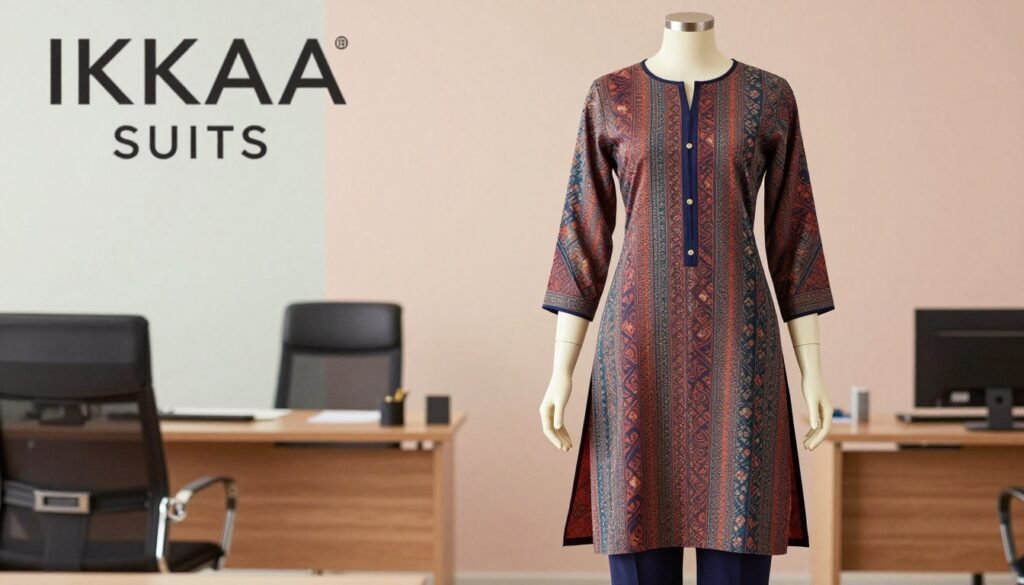
A-line and flared kurtis help balance wider hips by skimming over the lower body and drawing the eye upward. For a professional look, choose a kurti that hits just above or at the knee (shorter heights may prefer knee-length), use a darker pant to minimize attention on hips, and keep prints subtle.
Straight-Cut Styles for Rectangle Body Types
Straight-cut kurtis add structure and can create the illusion of curves for rectangular body types. Pair with fitted pants to define the waist and add a lightweight belt or layered necklace to introduce shape—avoid overly boxy kurtas that hide your natural lines.
Empire Waist Designs for Apple-Shaped Figures
Empire-waist kurtis lift the visual focus above the midsection and create a longer torso line. Choose fabrics with gentle drape (lightweight cotton blends or soft rayon) and keep embellishment near the neckline rather than the waist to flatter an apple-shaped silhouette.
Length and Proportion Guidelines for Professional Settings
Length matters in the office. A kurti that sits just above the knee is a safe, versatile choice for most heights; taller women can opt for knee-length or mid-thigh styles, while shorter women may prefer slightly shorter tunics paired with slim pants to keep proportions balanced.
- Do: Pick one neutral-length kurti (knee or just above) for versatility.
- Don’t: Choose extremely short kurtis or excessively long kaftan styles for conservative offices.
- Tip: If unsure, try the kurti with the pants and shoes you plan to wear—this reveals the true proportion.
Complementary Pant Styles for Office Wear Kurti Pant Dupatta Sets
The right pants turn a kurta set into a cohesive, professional outfit. Choosing complementary pant styles balances comfort with polish—so you can move through meetings, presentations, and long workdays with confidence.
Cigarette Pants for a Contemporary Professional Look
Cigarette pants offer a sleek, streamlined silhouette that pairs well with both short and mid-length kurtis. Choose mid-rise cigarette pants in a stretch cotton or cotton–polyester blend for comfort and shape retention. These work best with tailored kurtas and look especially sharp with closed-toe pumps or loafers.
Palazzo and Culottes for Comfort with Elegance
Palazzo pants and culottes provide breathable ease without sacrificing refinement—ideal for warmer climates or offices with a relaxed dress code. Opt for lightweight fabrics like rayon, soft cotton blends, or crepe for flattering drape. Pair these with a more fitted kurti to maintain proportion and choose block-heel sandals or mules to complete the look.
Straight and Slim-Fit Pants for Traditional Appeal
Straight and slim-fit pants are classic choices that complement traditional kurta styles. A straight pant in a mid-weight cotton blend or twill keeps a clean, structured line. For a conservative office, pick a full-length straight pant with a slight break over the shoe—pair with closed flats or low heels for a professional finish.
Choosing the Right Fit and Length for Workplace Appropriateness
Fit and length matter more than trend. Pants that are too tight or overly baggy can look unpolished. Aim for a fit that follows your natural line without pulling; for length, a slight break above the shoe or a hem that grazes the top of the shoe is a versatile, office-friendly option. Consider the pant rise—mid-rise suits most body types and sits comfortably with kurtis tucked or untucked.
| Pant StyleOffice SettingFabric & Shoe Pairing | ||
| Cigarette Pants | Modern Office | Stretch cotton or cotton–poly blend; pumps, loafers |
| Palazzo/Culottes | Relaxed Office | Rayon, crepe, lightweight cotton blend; mules, block heels |
| Straight/Slim-fit Pants | Traditional Office | Mid-weight cotton blend or twill; closed flats, low heels |
What to avoid: ultra-low-rise styles in conservative offices, extremely baggy cargo silhouettes, or very distressed fabrics. With the right pant choice—considering fabric, rise, and length—you can create versatile kurta sets that deliver both comfort and a polished look suitable for a variety of workplace settings.
Dupatta Styling Techniques for the Modern Workplace
A well-styled dupatta adds polish to a breathable fabric kurti set and can make a traditional outfit feel office-ready. The goal is to keep the look professional and practical while retaining cultural character.
When to Include a Dupatta in Your Office Ensemble
Include a dupatta for formal meetings, client presentations, cultural celebration days, or whenever you want to add a refined layer to your outfit. In more relaxed offices, you can skip the dupatta or use a light scarf as an alternative.
Professional Draping Methods for Work Settings
Choose drapes that stay in place and don’t interfere with your tasks. Below are quick, 2–3 step methods that are workplace-friendly.
Shoulder Drape (Minimal Interference)
1. Fold the dupatta lengthwise to a manageable width. 2. Toss it over one shoulder so it falls evenly front and back. 3. Tuck or pin near the shoulder to secure it. This keeps your hands free and looks neat.
Front Drape (Formal, Polished)
1. Center the dupatta behind your neck so ends fall evenly in front. 2. Cross the ends over your torso and let them hang or pin one side at the shoulder. 3. Smooth the front for a structured, elegant finish—ideal for presentations.
Looped/Neck Drape (Modern Alternative)
1. Fold the dupatta lengthwise into a narrow strip. 2. Loop once around the neck like a stole, letting both ends hang down equally. 3. Tuck ends under the kurta if needed for a sleeker look.
Fabric and Print Coordination for a Cohesive Look
Match the dupatta’s weight and scale to your kurta and pants: lightweight chiffons or silk blends pair well with tailored pants, while block-printed or slightly heavier dupattas suit relaxed palazzo sets. For conservative offices, prefer small prints, subtle borders, or solid neutrals to avoid visual clutter.
Dupatta Alternatives and Cultural Sensitivity
If wearing a dupatta feels impractical, opt for a professional scarf, tailored stole, or a statement necklace that nods to traditional styling. When wearing culturally specific drapes, be mindful and respectful—choose styles that are appropriate for the workplace and avoid appropriating sacred or ceremonial drapes.
Mastering a few dependable dupatta styles (and alternatives) expands your outfit options and helps you present a polished, culturally aware look in the office.
Color Psychology and Pattern Selection for Professional Environments
Colors and patterns shape how others perceive you at work—so choose combinations that support the professional impression you want to make. Thoughtful palettes increase confidence and make outfits easier to mix-and-match across occasions.
Corporate-Appropriate Color Palettes
Neutral tones—navy, charcoal, black, cream, and white—are fail-safe for conservative offices. For a kurti pant set for working women, introduce soft pastels (blush, sage, powder blue) or muted earth tones (taupe, olive, terracotta) as accent colors to add warmth without overpowering the look.
Print Sizes and Patterns for Different Work Settings
Scale matters: small, subtle prints read as professional in conservative environments, while larger or bolder patterns (including statement floral prints) work well in creative or relaxed workplaces. For client-facing meetings, stick to solid colors or micro-prints to keep the focus on your message.
Balancing Statement Pieces with Subtle Elements
Pair one statement element (a bright kurti, a printed dupatta, or an embroidered border) with neutral pants and a simple dupatta to keep the ensemble grounded. Examples:
- Client meeting: navy kurta + muted charcoal pant + minimal-print dupatta.
- Creative team day: soft pastel kurti with a bold floral-print dupatta and neutral cigarette pants.
- Everyday office: neutral kurta with a textured dupatta for visual interest.
Use these palettes and pattern rules to create professional looks for each occasion—and see the “Building a Versatile Collection” section to apply these pairings when curating your wardrobe.
Building a Versatile Collection of Office Wear Kurti Sets
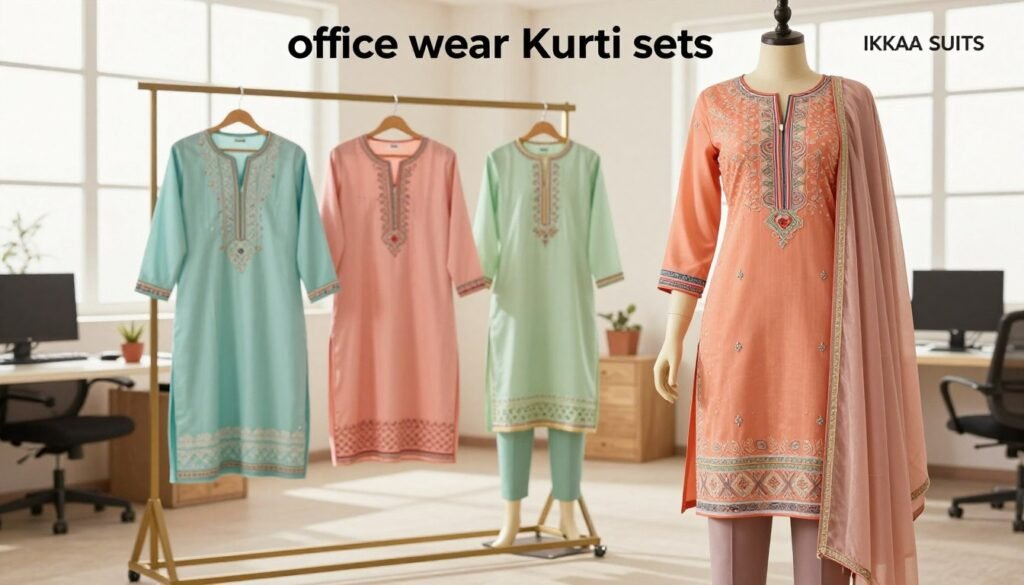
Creating a flexible collection of kurta sets helps you adapt quickly to different workplace occasions while keeping your daily routine simple. Focus on neutral, durable pieces you can mix-and-match, plus a few seasonal statement items to refresh your looks.
Essential Pieces for Your Starter Collection
Start with a compact, functional capsule of kurta sets that you can wear across seasons. Prioritize well-constructed items in quality fabrics to extend the life of your wardrobe.
- Starter list (3–5 items): Navy cotton kurta set (neutral), beige or charcoal cigarette pant set, a soft pastel kurta set in breathable cotton or linen blend, one printed dupatta for variety, and a silk-blend kurta set for formal meetings.
- Fabric pick: choose cotton or cotton–blend kurta sets for daily wear and a silk blend or crepe kurta set as an investment piece for formal occasions.
Mix-and-Match Strategies for Extended Wardrobe Options
Mixing separates expands outfit options without expanding your closet. Pair the same kurta with cigarette pants one day and palazzo pants the next; swap a printed dupatta for a solid one to shift the look from creative to corporate.
- Pair neutral kurtas with different pants to create multiple sets women can wear all week.
- Use dupattas and accessories to convert a basic kurta set into a meeting-ready outfit or a relaxed, after-work look.
Investment Pieces vs. Seasonal Additions
Distinguish between long-term investments and trend-driven purchases. Invest in timeless kurta set women pieces—neutral colors, sturdy stitching, classic cuts—and allocate a small part of your budget to seasonal items that reflect current designs.
- Budget tip: spend more on 2–3 investment kurta sets (good fabrics, tailored fit) and less on 2–3 seasonal pieces you expect to replace.
- Shopping tactic: watch for sales to stock up on basics; add a seasonal piece from a sale to your cart to test on-trend styles affordably.
With a curated collection of versatile kurta sets, a clear mix-and-match plan, and a balanced budget strategy, you’ll have a professional wardrobe that works for meetings, events, and everyday office wear.
Conclusion: Embracing Ethnic Fashion in American Professional Settings
Incorporating an office wear kurti pant dupatta set into your work wardrobe is a practical way to blend cultural expression with professional polish. Thoughtful choices in fabric, silhouette, and color help you stay comfortable and confident throughout the workday while maintaining a modern office look.
Choose a comfortable office wear kurti with breathable fabrics and a flattering cut—these two factors have the biggest impact on all-day comfort. Combine that kurti with tailored pants and a coordinated dupatta or scarf to create outfits that suit meetings, presentations, and everyday tasks.
Balance traditional elements with contemporary tailoring to build a versatile collection. Experiment with dupatta drapes, swap pant styles, and mix neutrals with one statement piece to keep your looks fresh and professional for different occasions.
Quick Buy Checklist (printable):
- 1 neutral kurta set (navy or charcoal) in cotton or cotton–blend — everyday versatile
- 1 tailored cigarette pant set (beige or black) — meeting-ready
- 1 silk-blend kurta set for formal occasions — investment piece
- 1 printed or textured dupatta to refresh multiple outfits
- Prioritize quality stitching and mid-rise pant fits for comfort and longevity
With a focused selection of kurta sets and a mix-and-match plan, you can create multiple office-appropriate outfits that combine comfort, style, and cultural nuance.